
MANILA — While Siquijor is known for its pristine white sand beaches, captivating waterfalls and other natural wonders, it is also known for its associations to the occult, witchcraft, and black magic—or “barang” in the local language.
In the Cebuano culture, “ipa-barang tikaw sa Siquijor ‘ron” (I’ll go to Siquijor and have you bewitched) is often used as a threat, albeit jokingly.
But the Healing Festival tries to dispel all that, making clear that these traditional medicine practitioners are not “mambababarang” (witches), but “mananambal” (healers).
“Our healing here is not based on black magic. It is faith-based. Our healers base their medicines on prayers,” said Luis Nathaniel Borongan, one of Siquijor’s top tour guides.
Since its inception in 2009, the Healing Festival is one of the major celebrations and tourist attractions in Siquijor every Holy Week, as it is a unique mix of the religious and the mystical.
This year, about 150 “mananambal” will be gathering again for the festival on top of Mt. Bandilaan, Siquijor’s highest point, located right at the heart of the island.
Some of these healers, Borongan noted, inherited their traditions from their ancestors.
The festival begins as early as Ash Wednesday, the beginning of the Lenten season, when healers go all over the island’s forests and beaches to search for herbs.
Called “pangalap” (searching), healers spend 7 Fridays throughout Lent to look for these herbs and other ingredients that they can use to create their potions and “agimat” (amulets).
On Holy Wednesday comes the second stage of the festival called “pagpangandam,” or “preparation” in the Cebuano language. This is a Holy Mass that prays for guidance for the festival activities, as well as to help the healers prepare the herbs and ingredients they gathered for the past 7 Fridays.
“Pag-adlip” (slicing) comes on Maundy Thursday, when the “mananambal” chop the herbs.
On Good Friday, several “mananambal” would gather at Mt. Bandilaan for the healing summit, dubbed “pagpahiuli” (returning).
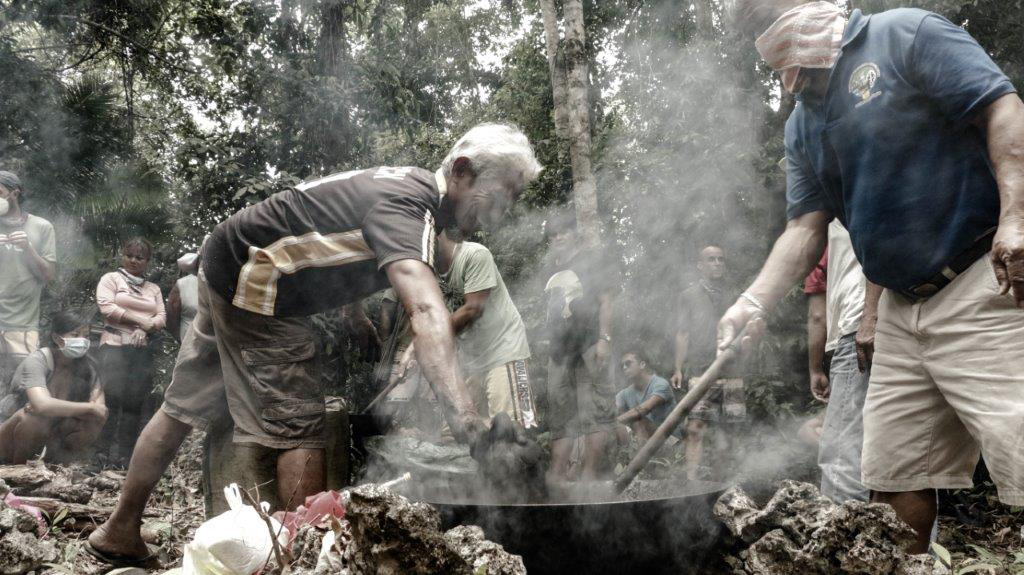
The main highlight comes on Black Saturday, as this is the day when the healers cook their herbs to produce their potions, medicines, and amulets. Aside from traditional herbal medicine, some healers also produce “gayuma” (love potions).
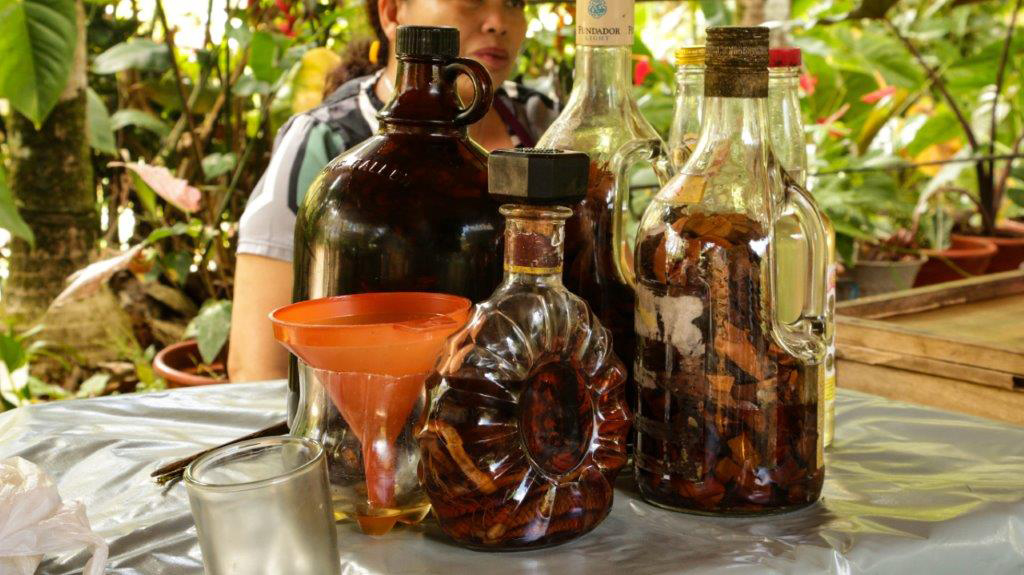
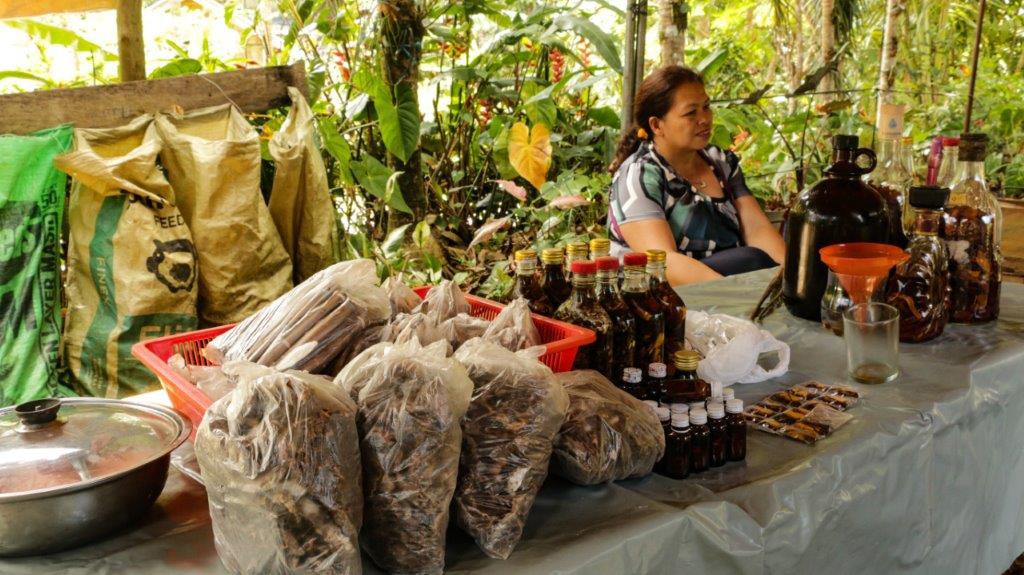
These potions and medicines are then sold to tourists and locals, Borongan said, noting that these are only made once a year—during the Holy Week.
Aside from the activities featuring the healers, other Holy Week traditions are also practiced, including the Way of the Cross.
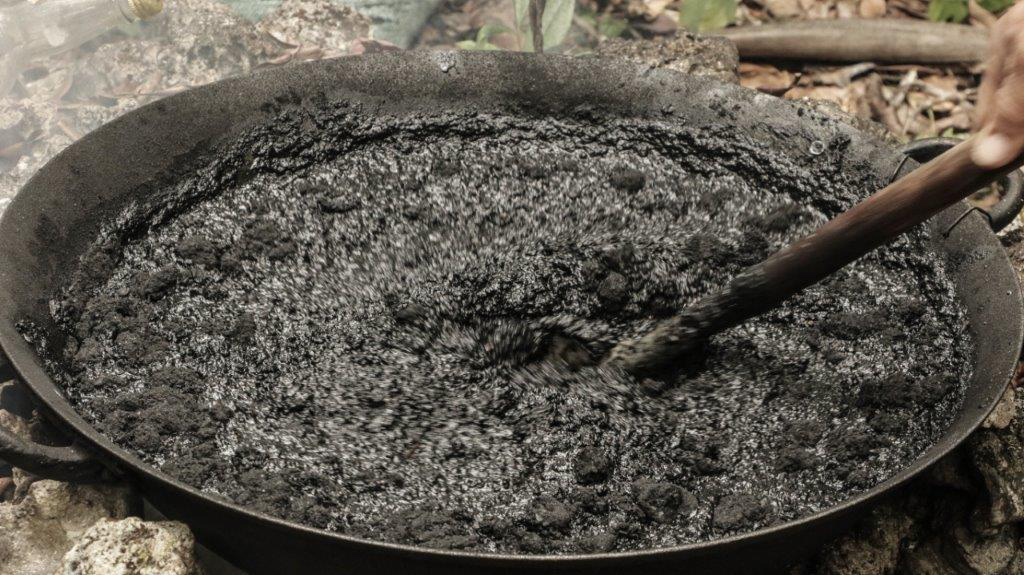
“Healers are often asked why they make their potions on Black Saturday, when Jesus is usually believed to be dead, and then people assume the healers do witchcraft because they draw their power from Jesus’ death,” Borongan told ABS-CBN News in Cebuano.
“But the fact is, the healers often concoct their potions on Black Saturday is because it is the day after Jesus’ ultimate show of love: his death on the cross. Aside from the fact that Black Saturday is often quiet, the day is also a reminder that God’s love is healing,” he added.
The festival seems to have more significance this year, the tour guide said, as it was done for the first time in the middle of a pandemic—when healing is much more needed more than ever.
Siquijor has reopened its borders for fully vaccinated tourists since April 1, allowing more visitors to witness the festival firsthand, Borongan said.
From about 4,000 in February, arrivals to the island increased to 7,000 by March, he added. The number is expected to go up this month, especially during the Holy Week break.
Due to the pandemic, tourists and locals attending the Healing Festival activities are required to be fully vaccinated.
Attendees must present vaccination cards and valid IDs, and are also required to wear their face masks at all times.